
Caregiving
House passes veterans package with caregiver and survivor benefits; Senate vote is next
The bill bundles more than 60 measures, including caregiver assistance, survivor benefits and full retirement pay for some combat-injured retirees, but veterans groups are split over a disability rating change.
Key facts
- House passed H.R. 9237 by voice vote on Nov. 11.
- More than 60 measures, including caregiver assistance and survivor benefits.
- Senate must still act; VFW and DAV oppose a disability rating section.
What happened
The U.S. House passed the Take Care of America's Veterans Act, H.R. 9237, by voice vote on November 11, Veterans Day, according to Military.com and the House Veterans' Affairs Committee. Because it passed by voice vote, individual lawmakers' positions were not recorded. The package combines more than 60 veterans measures covering retirement pay, survivor benefits, caregiver assistance, access to community care, mental health services and VA operations.
Its best-known piece is the Major Richard Star Act, which would let combat-injured military retirees with fewer than 20 years of service collect both full retirement pay and VA disability compensation; estimates of how many people qualify range from about 54,000 to more than 60,000. The package also includes the Love Lives On Act, which would let more surviving spouses remarry without losing benefits, and higher special monthly compensation for some severely disabled veterans.
The bill is not universally supported. The VFW and DAV oppose Section 108, which changes how the VA rates conditions such as tinnitus and sleep apnea; DAV cites a VA estimate that the change could reduce future compensation by as much as $57 billion over 10 years. The American Legion, MOAA, the Elizabeth Dole Foundation and other groups back the package. It now goes to the Senate, and any Senate changes would need another House vote.
What it means for families
Nothing changes yet for older veterans or the family members who care for them. Benefits stay the same unless the Senate passes the bill and the president signs it.
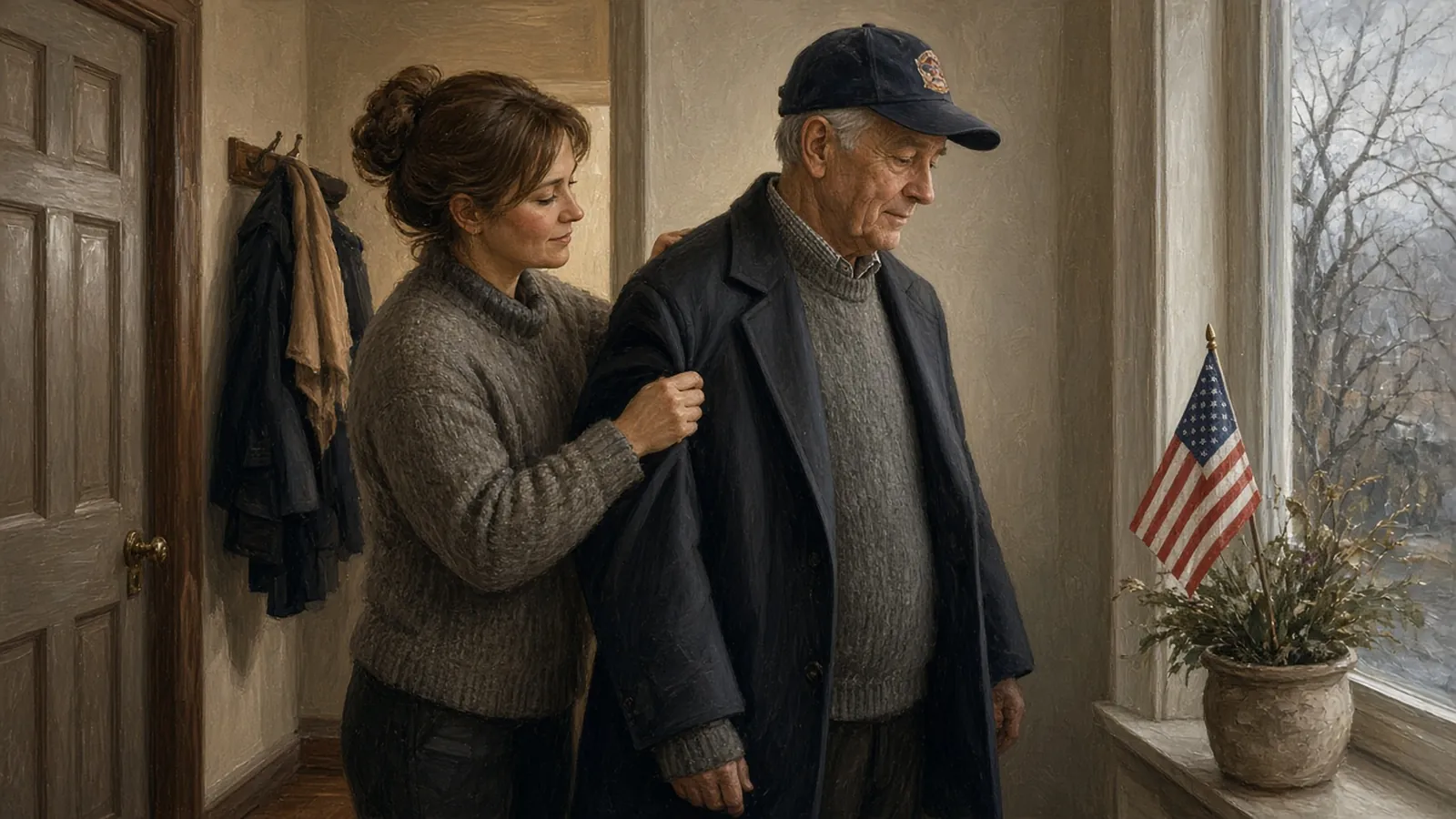
Picture a daughter who drives her father, a Vietnam-era veteran, to VA appointments and helps him dress each morning. Today, the main federal help for her is the VA's caregiver support program, and the bill's caregiver provisions would only matter after it becomes law.
If a parent has a pending disability claim for a condition named in the debate, such as sleep apnea or tinnitus, keep filing on the current schedule. Proposed rating changes would not apply to claims until a law is enacted and rules are written.
New York has one of the larger veteran populations in the country. County veterans service agencies, including in Erie and Niagara counties, help families file VA claims and caregiver applications at no charge.
What to do this week
- If you care for an older veteran, call the VA Caregiver Support Line (1-855-260-3274) to ask which caregiver programs your family can use today.
- Gather the veteran's DD-214 discharge papers and VA benefit letters in one folder so you can act quickly if eligibility rules change.
- Ask a county veterans service officer whether any pending claim could be affected by proposed rating changes.
Sources
More from Home care
- Medicare extends pause on new home health and hospice agencies for six more months
- Bipartisan bill would let Medicare test skilled nursing and rehab at home after a hospital stay
- Most injuries to older adults happen at home, and the bathroom tops the list