
Caregiving
First update to the national family caregiver strategy adds a goal for the home care workforce
The federal roadmap for 63 million family caregivers now puts respite, help finding services and, for the first time, recruiting and keeping direct care workers at the center of its recommendations.
Key facts
- The federal caregiver strategy has its first update since 2022.
- It adds a goal on the direct care workforce.
- It is a roadmap, not new funding.
What happened
The U.S. Administration for Community Living released the first update to the National Strategy to Support Family Caregivers on November 19. The strategy, first published in 2022 under the RAISE Family Caregivers Act, is a roadmap of actions that federal agencies, states, communities and employers can choose to take.
ACL says more than 63 million Americans, about one in four adults, care for a family member, friend or neighbor. The 2026 update was developed by the RAISE Family Caregiving Advisory Council and the Advisory Council to Support Grandparents Raising Grandchildren. It puts more weight on helping caregivers find and navigate services, expanding respite care, supporting young caregivers and grandparents raising grandchildren, technology and research.
For the first time, the strategy includes a goal focused on the direct care workforce: home care aides, personal care aides and nursing assistants. ACL counts more than 5 million of these workers. The National Academy for State Health Policy, which helped develop the update, notes the direct care workforce is projected to add more than 886,000 jobs between 2025 and 2035. The strategy does not create new funding or benefits on its own.
What it means for families
The strategy is a list of ideas, not a new program, so nothing changes for a family this week. What it signals is where state and federal money and attention are likely to go next: respite, care navigation and paying and keeping home care aides. Families who already use respite or an aide may hear more about these programs from their county or state over the next year.
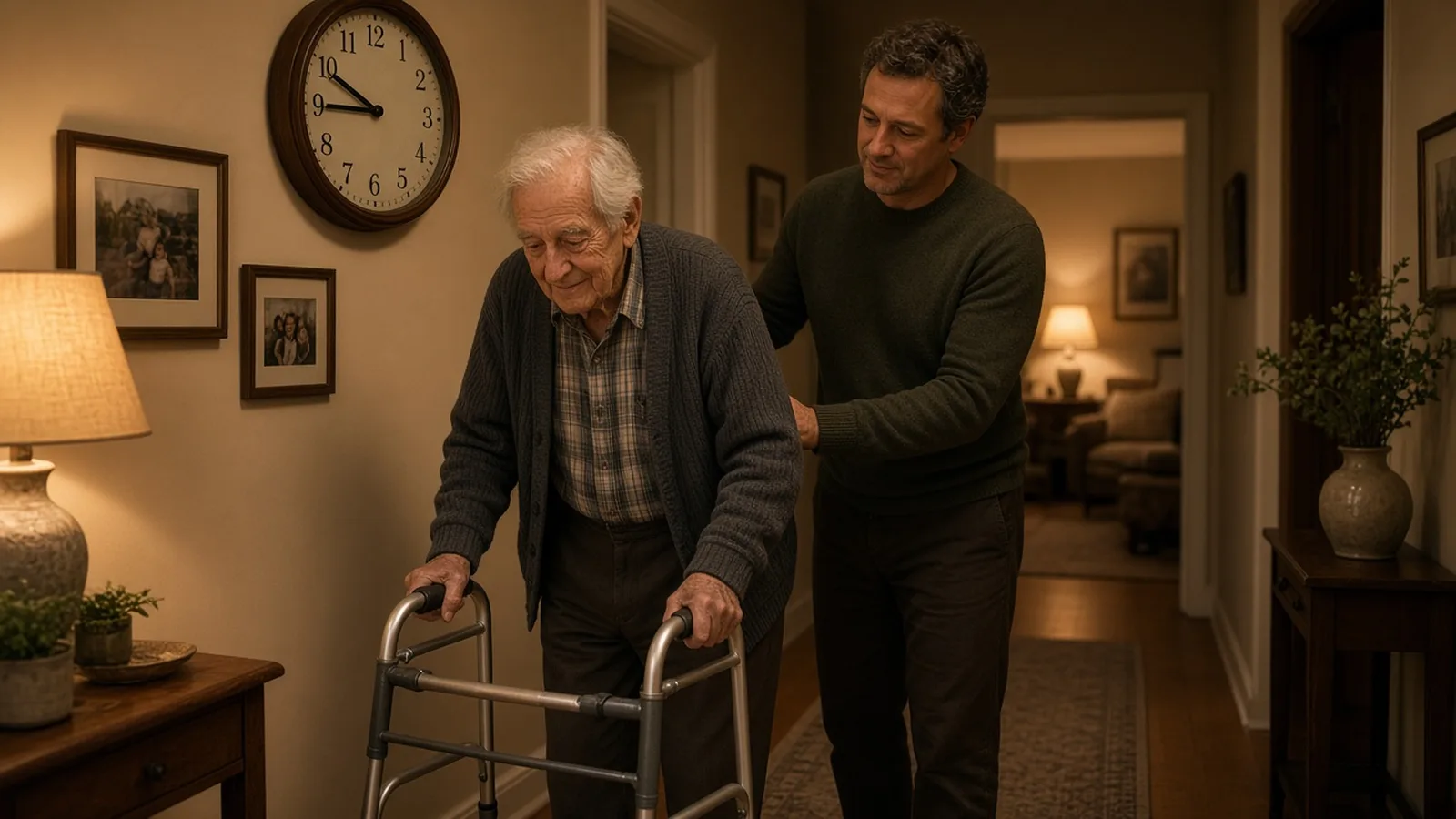
Picture a son who covers every evening for his father and has not had a full weekend off in a year. The update names respite as a priority, which is a reminder to ask now what respite already exists locally, through the county office for the aging or the National Family Caregiver Support Program, rather than waiting for a new benefit.
What this means in New York: the state Office for the Aging runs the National Family Caregiver Support Program through county offices for the aging, reachable through NY Connects at 1-800-342-9871, which can explain local respite, counseling and training.
Planning in Erie or Niagara County? From our owner, HOMEWARD by Cardinal: a plain-English guide to signs of caregiver burnout and where to get a break.
What to do this week
- Call NY Connects or your county office for the aging and ask what respite and caregiver support programs exist now.
- Write down the hours you and other relatives spend on care each week, so you can describe your needs when you ask for help.
Sources
More from Home care
- Older adults who end up with a court-appointed guardian rarely go back home, Michigan study finds
- New federal worker classification rule takes effect in January, with ripple effects for privately hired caregivers
- Family caregivers use rides more than any other support service, and respite least, a new study finds
More new stories
- Camera laws for nursing home and assisted living rooms are spreading, and families say video changed what they knew
- UB students build a fall-alert robot for seniors living alone and plan a Buffalo Niagara pilot
- Older and disabled refugees who lost Medicaid in October sue to restore coverage nationwide