
Aging at home
UB students build a fall-alert robot for seniors living alone and plan a Buffalo Niagara pilot
The wheeled prototype listens and senses floor vibration instead of using a wearable or an always-on camera, asks if the person is okay and calls family, and a pilot with local older adults is being planned.
Key facts
- UB students built Pebble, a fall-detection robot for people living alone.
- It uses sound, radar and floor vibration, with no wearable.
- A Buffalo Niagara pilot study is being planned.
What happened
Three University at Buffalo graduate students have built a wheeled companion robot called Pebble that is designed to notice when an older adult living alone falls, the university reported on November 24. The idea came from master's student Kumarappan Muthuraman, whose mother fell last year and broke her arm; she was in too much pain to call for help, and his sister heard the fall from the next room.
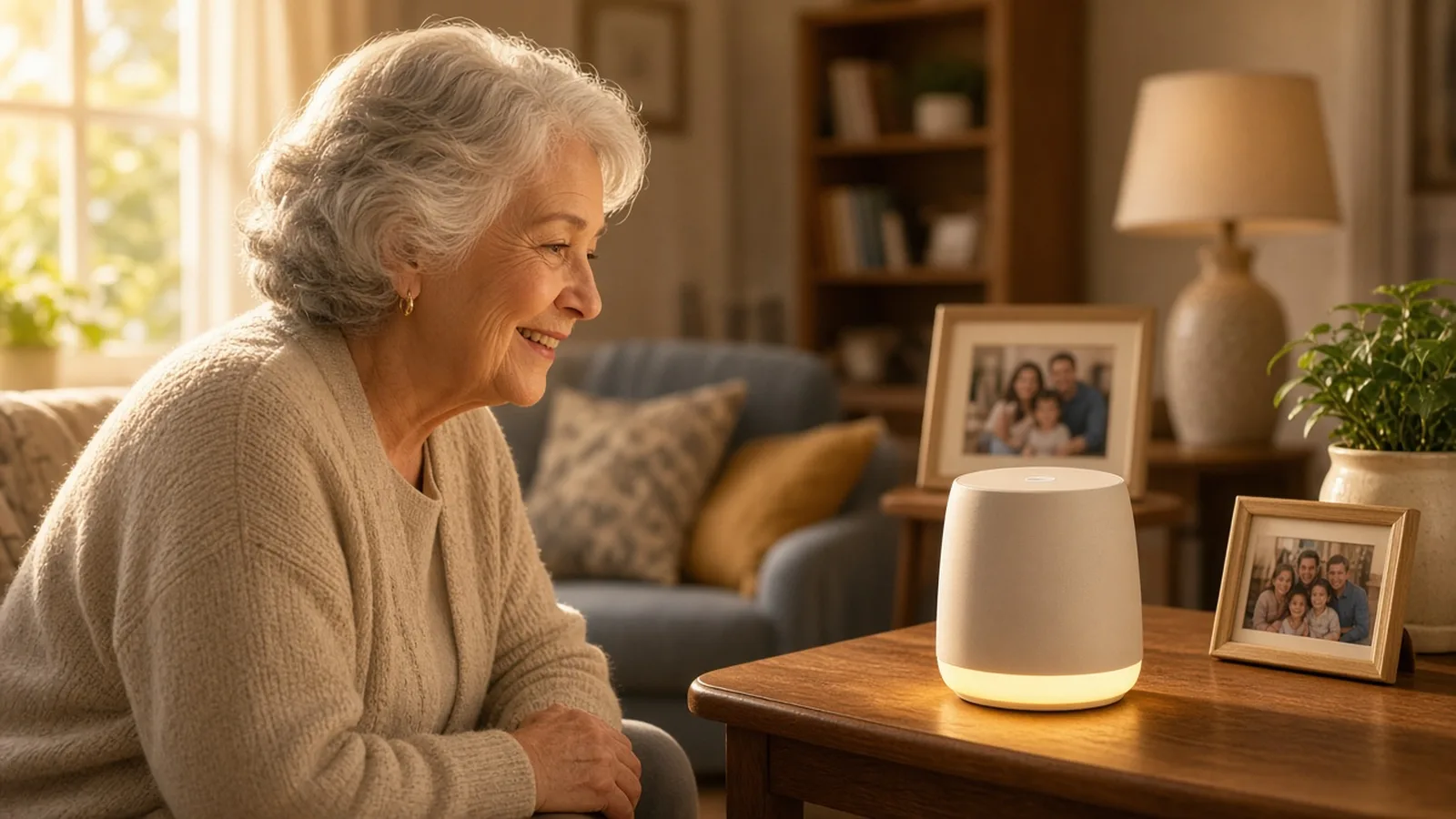
Pebble moves on its own to wherever a person is in the home, so a household does not need a sensor in every room. It combines sound analysis, radar and vibration sensing through the floor to detect a possible fall. When it senses one, it asks the person if they are okay and alerts a family member or caregiver if they need help or do not respond. People can also call for help by saying "Hey Pebble" or "help." It does not require a wearable, and its camera stays covered unless the user asks for it.
The team has built four working robots, filed a provisional U.S. patent and placed third in the 2026 UB Health Futures Challenge. With UB faculty serving as investigators, they are preparing a pilot study with older adults in the Buffalo Niagara region and are adding home safety checks such as gas leak detection and alerts for a stove left on.
What it means for families
Pebble is a student prototype, not something families can buy, but it points at a question every family with a parent living alone should answer: if Mom falls when no one is there, how long before someone knows? A plan does not need a robot. It can be a daily phone check-in at a set time, a medical alert button worn around the house, a neighbor with a key, or a smart speaker set up to call family.
Picture a widowed father in Tonawanda who refuses to wear a pendant. His children might agree on a 9 a.m. call every day, a spare key with the neighbor across the street and a voice assistant in the kitchen that can call his daughter, then revisit the plan if he starts falling more often.
What this means in New York: county offices for the aging, reachable through NY Connects at 1-800-342-9871, can explain personal emergency response systems and other in-home supports for older adults and whether any help with the cost is available.
What to do this week
- Ask a parent who lives alone how anyone would know if they fell, and agree on a daily check-in time.
- Make sure at least one neighbor or nearby relative has a key and knows whom to call.
Sources
More from New York
- North Country county serves 6,000 more senior meals a month as food costs and SNAP changes bite
- CDPAP aides are being asked in the clock-in app to accept arbitration, with 30 days to opt out
- New York's flu season came early this year, and older adults face the highest hospital risk