
Assisted living
Camera laws for nursing home and assisted living rooms are spreading, and families say video changed what they knew
About 20 states now let residents put cameras in their own rooms. A Boston Globe look at Rhode Island and Connecticut shows how video has backed up family concerns and ombudsman cases.
Key facts
- About 20 states have laws allowing cameras in residents' rooms.
- Rhode Island and Connecticut require notice and roommate consent.
- Massachusetts has no law yet; lawmakers cite privacy and consent questions.
What happened
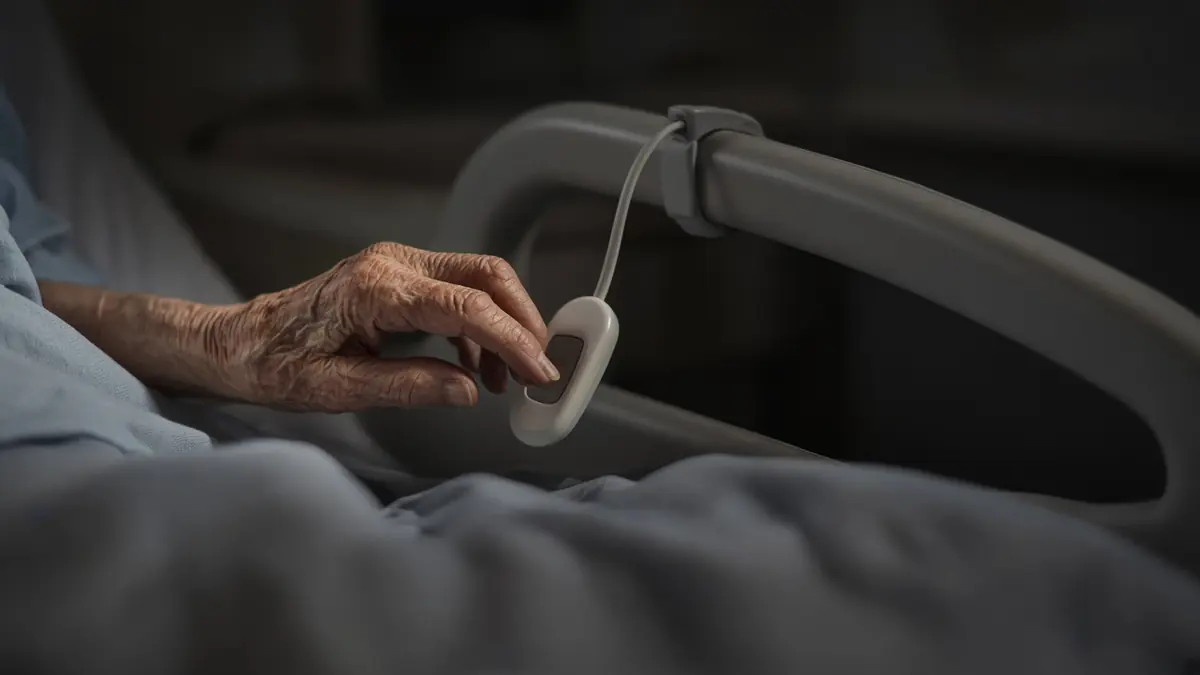
About 20 states have so-called granny cam laws that let residents of nursing homes, and in some states assisted living, place cameras in their own rooms, The Boston Globe reported on November 25. The report focused on Rhode Island, whose law took effect in January 2025, and Connecticut, whose 2021 nursing home law was expanded to assisted living in 2026.
Rhode Island requires residents to tell the facility and get a roommate's consent before installing a device. In one Providence case described by the Globe, a family placed a camera with their 95-year-old mother's permission and later filed a lawsuit alleging that care logs did not match the video; the facility's lawyer declined to comment on pending litigation. In Connecticut, the state's long-term care ombudsman said about 10% of the cases her office reviews now come with videos or photos from residents' rooms, and that cameras have helped draw attention to long waits tied to low staffing.
Massachusetts has no such law. AARP Massachusetts said lawmakers there still have open questions about roommate consent, audio versus video recording, resident privacy, retaliation and who pays for installation. Industry groups in Rhode Island had opposed the law as intrusive, but the state ombudsman said she has heard no complaints about privacy since it took effect.
What it means for families
A camera can give families who live far away, or whose parent cannot report problems, a clearer picture of daily care. Rules on cameras and audio recording vary widely by state, and installing a device without following them can create legal and privacy problems, including for a roommate.
Picture a son in another state whose mother has dementia and lives in assisted living. Before buying a camera, he would ask the residence for its written policy, check his state's rules on recording audio, talk with his mother's roommate if she has one, and decide who will review the footage and what he will do if he sees a problem.
What this means in New York: before placing any camera in a parent's nursing home or assisted living room, ask the facility for its written policy and call the New York State Long Term Care Ombudsman Program for guidance on consent and privacy.
Planning in Erie or Niagara County? From our owner, Cardinal Care Advisors: a plain-English guide to New York assisted living license types explained.
What to do this week
- Ask your parent's facility for its written policy on in-room cameras and recording.
- Get your parent's permission and, if they share a room, the roommate's consent.
- Raise care concerns with the facility and the long-term care ombudsman, not only through video.
Sources
More from Assisted & senior living
- Federal long-term care insurance stays closed to new applicants until at least 2028
- Senior living is filling up, but high staffing costs are keeping new buildings from being built, report finds
- Residents rate senior care communities 11 points lower than their families do, first national ACSI study finds