
Medicare
About 300,000 immigrants on Medicare told their coverage is set to end Feb. 1
Refugees, asylees and others who no longer qualify under a 2025 law are getting Social Security letters now, and a pink Medicare warning notice follows in December; some people only need to send documents.
Key facts
- About 300,000 lawfully present immigrants have been told Medicare is ending.
- Coverage ends Feb. 1, 2027 unless eligibility is confirmed.
- CMS will mail a pink warning notice in December.
What happened
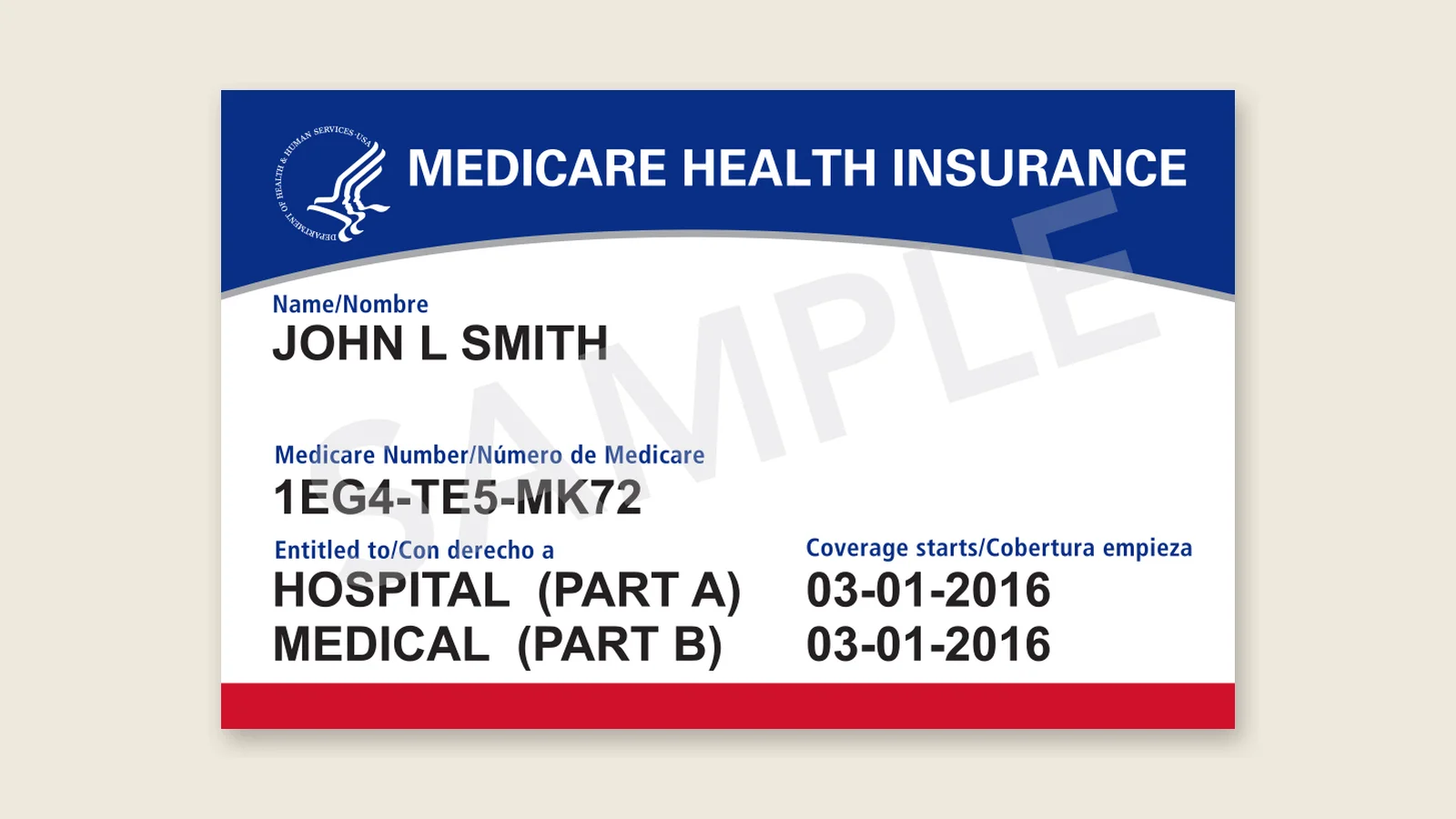
The Social Security Administration has sent letters to about 300,000 lawfully present immigrants who receive Medicare, telling them their coverage is set to end, The Washington Post reported on November 24. The notices carry out a provision of the 2025 federal budget law that narrows who can be enrolled in Medicare. Under the new rule, only U.S. citizens and nationals, lawful permanent residents (green card holders), Cuban-Haitian entrants and certain migrants under the Compacts of Free Association qualify.
Groups that no longer qualify include refugees, people granted asylum and people on temporary visas, many of whom paid Medicare taxes for years. According to a CMS fact sheet for counselors, Social Security began mailing letters in November both to people it believes are no longer eligible and to people whose eligible status it cannot confirm. People who get a letter and do not establish eligibility will lose Medicare on February 1, 2027.
CMS will follow up in December with a separate warning notice printed on pink paper, according to Medicare.gov. People can submit proof of citizenship or immigration status through a my Social Security account or at a local Social Security office. The Railroad Retirement Board is sending its own notices to rail retirees.
What it means for families
For families, the biggest risk is a letter that sits unopened, or a parent who assumes it cannot apply because they have had Medicare for years. Some people who get a letter are in fact still eligible, such as green card holders whose records are incomplete, and they only need to send documents. Others will lose coverage and need a new plan for doctor visits, prescriptions and any rehab or nursing home stay Medicare would have paid for.
Picture a 72-year-old grandmother who came to Buffalo as a refugee and has had Medicare since she turned 65. If she has since become a citizen or received a green card, a copy of that document may be all it takes. If not, her family should ask quickly what other coverage she may qualify for, because a gap can disrupt care she already relies on.
What this means in New York: free, unbiased Medicare counseling is available through HIICAP at county offices for the aging, reachable through NY Connects at 1-800-342-9871, and people who lose Medicare can ask their local Department of Social Services what other coverage they may qualify for.
What to do this week
- Ask older relatives who were not born in the U.S. whether they got a letter from Social Security or the Railroad Retirement Board this month, and read it with them.
- Gather a passport, naturalization certificate or green card and submit it through my Social Security or at a local office before the deadline in the letter.
- If a parent will lose Medicare, contact the local Department of Social Services about other coverage before February 1.
Sources
More from Medicaid
- Older and disabled refugees who lost Medicaid in October sue to restore coverage nationwide
- Medicaid's 2027 limits for couples are out: the spouse at home can keep up to $168,720
- Medicare's third round of drug price talks lowers prices on 13 drugs, including Part B drugs for the first time
More new stories
- Camera laws for nursing home and assisted living rooms are spreading, and families say video changed what they knew
- UB students build a fall-alert robot for seniors living alone and plan a Buffalo Niagara pilot
- North Country county serves 6,000 more senior meals a month as food costs and SNAP changes bite